Nepal's Diwali lasts five days, and on each one somebody is honoured in turn: the crow, the dog, the cow, the goddess of wealth and finally your brother. What happens on each day, what Mha Puja means to the Newars, and where to see it in the Kathmandu Valley.
The short answer
Tihar, Nepal's five-day festival of lights, falls in early November 2026, with Laxmi Puja on Sunday 8 November and Bhai Tika on 10 or 11 November. Each day honours someone: crows on Kaag Tihar, dogs on Kukur Tihar, cows and the goddess Laxmi on the third day, oxen and, for the Newars, the self on the fourth, and brothers on the last.
Key points
- Laxmi Puja: Sunday 8 November 2026
- Kukur Tihar: dogs garlanded and fed
- Mha Puja begins the Nepal Sambat new year
- Bhai Tika: 10 or 11 November
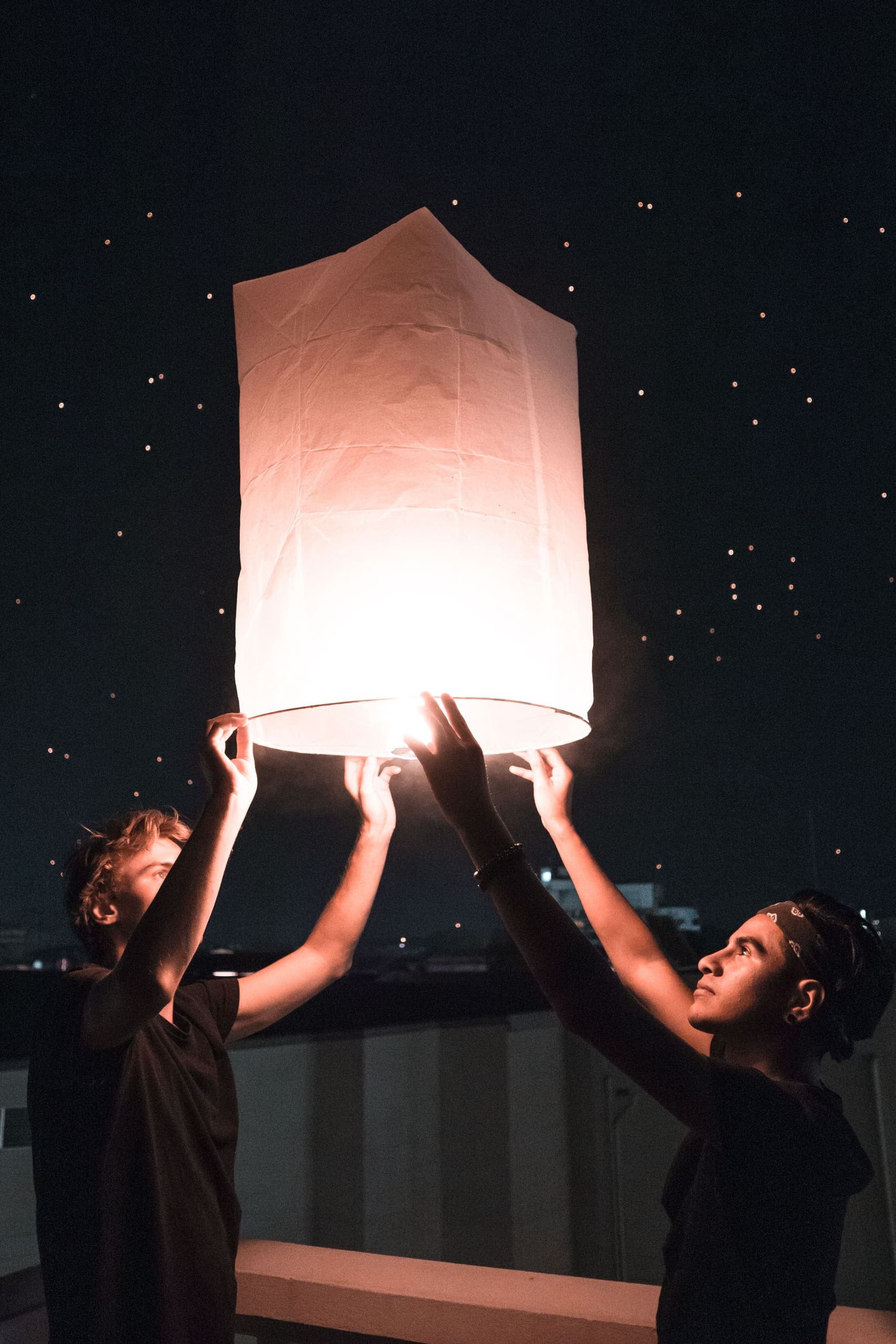
A month after Dashain, when the rice harvest is in and the mountains are clear, Nepal lights its lamps. For five days in the month of Kartik, houses across the country are outlined in oil lamps and strings of light, doorways are painted with rangoli and footprints leading the goddess inside, and the streets of Kathmandu fill at night with groups of children and young people singing from door to door. This is Tihar, Nepal's festival of lights, its version of Diwali.
What makes Tihar different is its gentleness. Each of its five days honours a different being: the crow, the dog, the cow, the goddess of wealth and, at the end, one's own brother. It is a festival about the bonds between people, animals and the gods, and it is one of the loveliest times of year to be in the Kathmandu Valley.
Tihar 2026 dates
Tihar follows the lunar calendar and falls at the same time as Diwali in India, with Laxmi Puja on Sunday 8 November 2026, the new moon of Kartik. Because tithis can overlap, published calendars disagree by a day on some of the others. The table gives the most widely published dates; Nepal's official patro sets the auspicious times, so check closer to the festival before planning around a particular day.
- 1. Kaag Tihar
- Expected dateAround 6–7 November
- Who is honouredCrows, the messengers of death
- 2. Kukur Tihar
- Expected dateAround 7 November
- Who is honouredDogs, the guardians of the underworld
- 3. Gai Tihar and Laxmi Puja
- Expected dateSunday 8 November
- Who is honouredThe cow in the morning, the goddess Laxmi at night
- 4. Govardhan Puja and Mha Puja
- Expected dateAround 9–10 November
- Who is honouredOxen and Govardhan; for the Newars, the self
- 5. Bhai Tika
- Expected date10 or 11 November
- Who is honouredBrothers, blessed by their sisters
| Day | Expected date | Who is honoured |
|---|---|---|
| 1. Kaag Tihar | Around 6–7 November | Crows, the messengers of death |
| 2. Kukur Tihar | Around 7 November | Dogs, the guardians of the underworld |
| 3. Gai Tihar and Laxmi Puja | Sunday 8 November | The cow in the morning, the goddess Laxmi at night |
| 4. Govardhan Puja and Mha Puja | Around 9–10 November | Oxen and Govardhan; for the Newars, the self |
| 5. Bhai Tika | 10 or 11 November | Brothers, blessed by their sisters |
Dates vary by a day between calendars. Bhai Tika is a public holiday; its auspicious hour is announced each year.
The five days, one by one
Kaag Tihar: the day of the crow
Tihar is also called Yamapanchak, the five days of Yama, the god of death, and it begins with his messengers. On the first morning, families leave rice, sweets and food on rooftops and leaf plates for the crows, believing that pleasing them keeps grief from the house for the year ahead.
Kukur Tihar: the day of the dog
The second day is the one visitors love most. Dogs, believed to guard the gates of Yama's underworld, are honoured with a red tika on the forehead and a garland of marigolds around the neck, and fed meat, eggs and treats. Every dog gets it: pets, police dogs and the street dogs of Kathmandu, who spend the day being garlanded by strangers. You will see them everywhere, splendid and slightly bewildered.
Gai Tihar and Laxmi Puja: the cow and the goddess
On the third morning, the cow, sacred as a mother and a symbol of plenty, is bathed, garlanded and fed. In the evening comes the most important night of the festival, Laxmi Puja. Houses are cleaned, doorways are painted with red earth, and a trail of footprints is drawn from the door to the shrine to lead Laxmi, the goddess of wealth and fortune, inside. At dusk, every window, step and rooftop is lit with oil lamps, candles and strings of light, and families worship the goddess with their money and valuables.
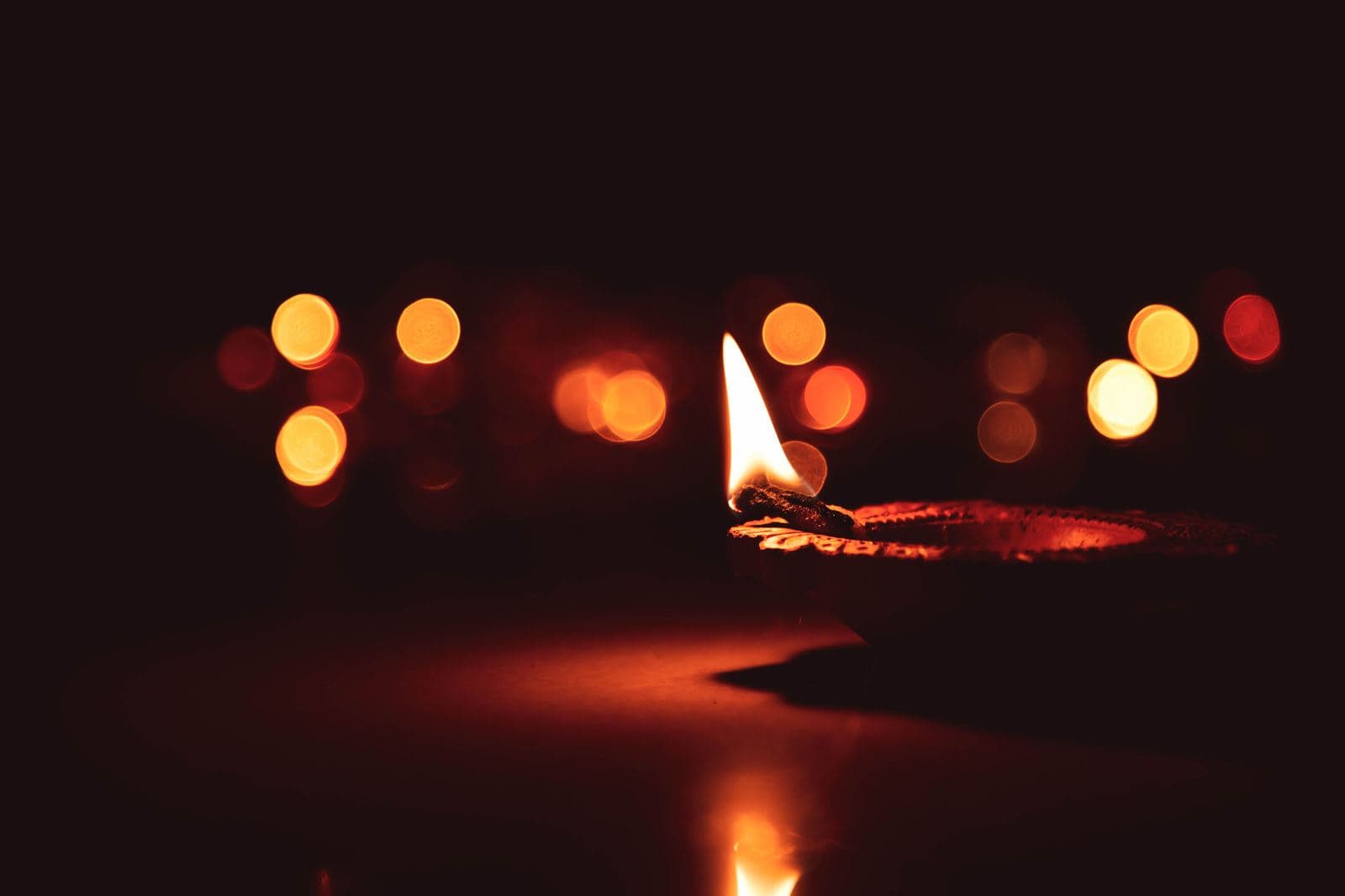
That night the singing begins. Groups of girls go from house to house singing bhailo, and on the following night boys sing deusi, call-and-response songs blessing the household. In return they receive money, fruit and sel roti, the ring-shaped rice bread fried only at festivals. Today many groups raise money for local causes.
Govardhan Puja and Mha Puja: the ox and the self
On the fourth day, many families worship the ox and make a small hill of cow dung representing Govardhan, the mountain Krishna lifted to shelter the cowherds. In the Kathmandu Valley, the same day is the Newar festival of Mha Puja, worship of the body. Each member of the family sits before a mandala drawn for them on the floor, with a lamp representing the soul, and is honoured by the household, so that they may be strong and pure for the year ahead. It also marks the start of the new year in the Nepal Sambat calendar, the Newars' own era, celebrated with processions in the old cities.
Bhai Tika: brothers and sisters
The last day belongs to siblings. Tradition says the goddess Yamuna kept her brother Yama, the god of death, from taking him by worshipping him and asking him to stay until the oil in her lamp and the water she had sprinkled were gone. On Bhai Tika, sisters walk around their brothers, pour a line of oil and water around them, and give them a tika of seven colours and a garland of marigolds and globe amaranth, the long-lasting flower called makhamali, praying for their long life. Brothers give gifts in return, and there is a feast. Those without a sibling are often adopted for the day by cousins or friends.
“Tihar asks one thing of everyone: to honour those who keep you. The crow, the dog, the cow, the goddess, your brother.”
Where to see Tihar in the Kathmandu Valley
- Kathmandu's old city (Asan, Indra Chowk)
- Markets of marigolds and lamps in the days before; deusi and bhailo in the lanes
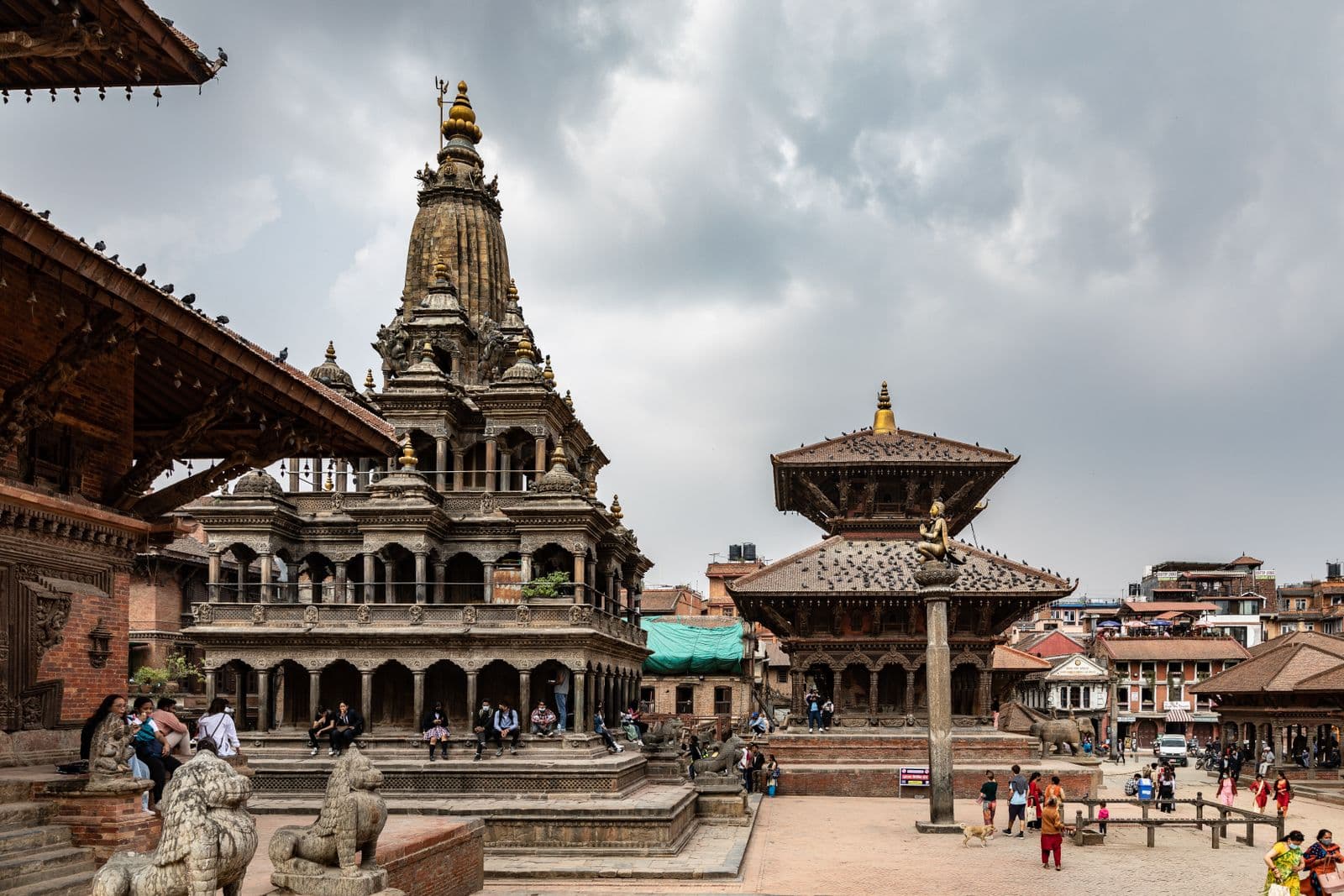
- Patan Durbar Square
- Courtyards and temples lit with lamps on Laxmi Puja night
- Bhaktapur
- The most atmospheric old town at night, and Mha Puja in Newar homes
- Any neighbourhood on Kukur Tihar morning
- Garlanded dogs everywhere
| Place | Best for |
|---|---|
| Kathmandu's old city (Asan, Indra Chowk) | Markets of marigolds and lamps in the days before; deusi and bhailo in the lanes |
| Patan Durbar Square | Courtyards and temples lit with lamps on Laxmi Puja night |
| Bhaktapur | The most atmospheric old town at night, and Mha Puja in Newar homes |
| Any neighbourhood on Kukur Tihar morning | Garlanded dogs everywhere |
Etiquette for visitors
- Ask before photographing rituals in homes and courtyards, especially Mha Puja and Bhai Tika, which are private family rites.
- Be generous with deusi and bhailo singers if they come to your guesthouse; a small note is the custom.
- Remove your shoes before entering a house or a shrine, and do not step over offerings or rangoli.
- Expect closures. Offices and many shops close for the main days; buses and flights out of Kathmandu are busy before and after Bhai Tika.
Combining Tihar with India
Tihar falls in the same weeks as Diwali in India and comes just over two weeks before Dev Deepawali in Varanasi, so the two make a natural pair: the Kathmandu Valley for Tihar in early November, then Kashi for the night of lamps on 24 November. Our story on Kashi, the city of light explains why the Ganga matters so much at this time of year. We plan private journeys to Nepal on request, including the route from Kashi to Kathmandu.
Questions people ask
- When is Tihar 2026?
- From about 6 to 11 November 2026, with Laxmi Puja on Sunday 8 November and Bhai Tika on 10 or 11 November. Calendars differ by a day on some of the days.
- What is Kukur Tihar?
- The second day of Tihar, when dogs, believed to guard the underworld, are given a red tika, a marigold garland and special food. All dogs are honoured, including street dogs.
- What is Mha Puja?
- A Newar ritual on the fourth day of Tihar in which each family member is worshipped before a mandala to purify and strengthen the body. It begins the Nepal Sambat new year.
- What is Bhai Tika?
- The last day of Tihar, when sisters give their brothers a seven-coloured tika and a flower garland and pray for their long life, and brothers give gifts in return.
- Is Tihar the same as Diwali?
- It falls at the same time and Laxmi Puja is shared, but Tihar lasts five days and honours crows, dogs, cows and brothers as well as the goddess.

About this story
Written for the WanderMate Journal by our team in Varanasi, where we plan and run journeys along the Ganga. We check facts against official and published sources, listed below, and revise guides when timings, prices or dates change. Last updated 14 October 2026.
Spotted something out of date? Tell us.
Sources